The story
Lough Mask, County Mayo1880
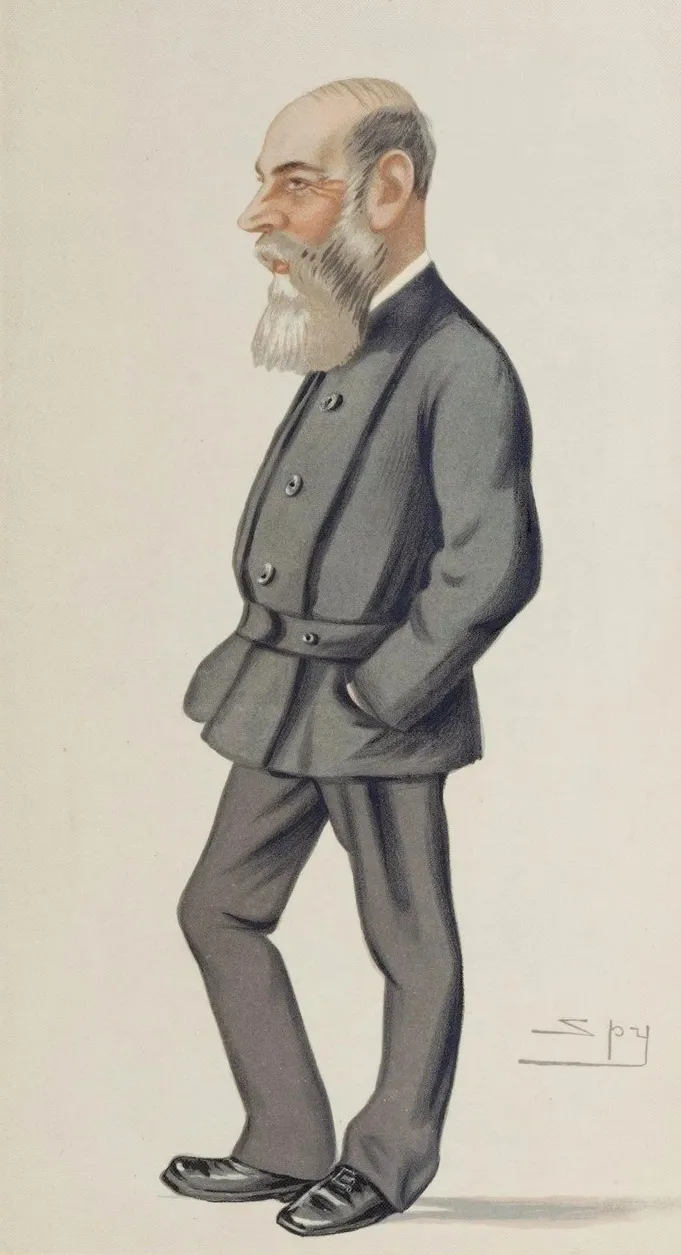
Charles Boycott was an Englishman, a retired army captain, and the land agent for Lord Erne’s estate at Lough Mask in County Mayo. It was 1880, the Land War, and the tenants wanted their rents cut. He refused, and served eviction notices. On 19 September, at Ennis, Charles Stewart Parnell told a crowd what to do with a man like that.
You must shun him on the roadside when you meet him, you must shun him in the streets of the town, you must shun him in the shop, you must shun him on the fair green and in the market place, and even in the place of worship.
Within days it was done to Boycott. His labourers walked out of the fields. His servants left the house. The blacksmith would not shoe his horses, the laundress would not wash, the shops would not serve him, and the boy who carried the post stopped coming. On 18 October he wrote to The Times to say so, and Britain took notice.
In November fifty-seven Protestant labourers from Cavan and Monaghan arrived to save his crops, escorted by close to a thousand soldiers and police. They dug his potatoes under guard and left after two weeks. The operation cost about ten thousand pounds, thirty times what the crops were worth. Boycott left Ireland on 1 December. By then a local priest, Father John O’Malley, had suggested to an American journalist that the thing needed a name, and it had one.
The gap
The word is the tactic, and the man was its target. He did not invent the boycott, organise it, or approve of it. He was the first person it was tried on, and it worked so well that it kept his name. Within eight years it was a verb in French and German too.
There is a second reversal. The point of a boycott is that it costs nothing: you simply do not. It took the British state ten thousand pounds and a small army to answer one.