The story
Boston1839
In Boston in the late 1830s the young men who wrote for the newspapers had a fad. They abbreviated phrases, and for extra fun they first misspelled them. OW stood for oll wright. KY stood for know yuse, meaning no use. NG was no go. On 23 March 1839 the Boston Morning Post ran a jokey item about a Boston club visiting Providence and dropped in “o.k.”, explained in brackets as all correct. Most of the fad died with the season. This one did not.
- OWoll wright
- KYknow yuse. No use
- NGno go
- KGknow go
- OKoll korrect. Then Old Kinderhook
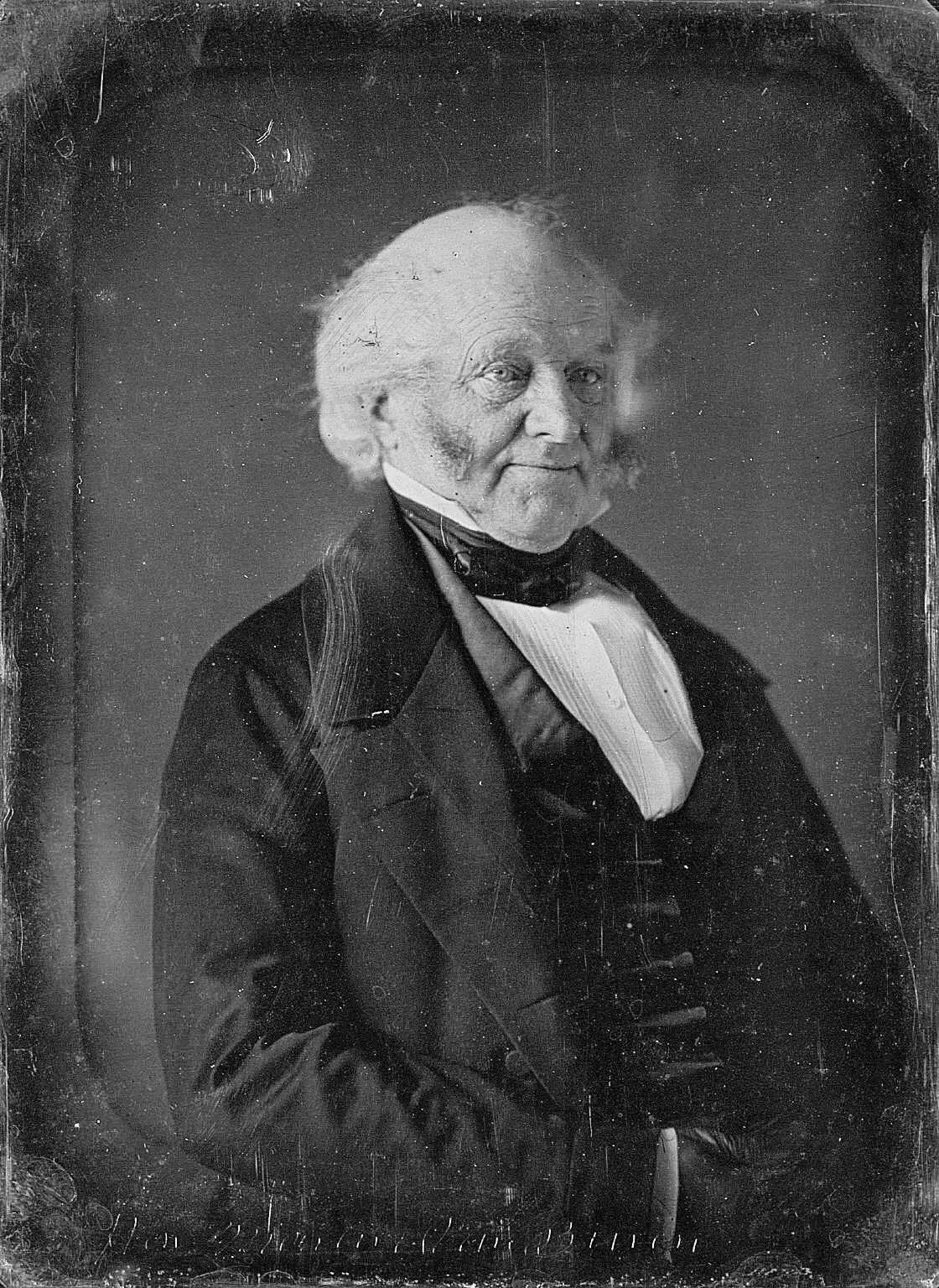
It survived because of an election. In 1840 Martin Van Buren, born in Kinderhook, New York, ran for a second term as “Old Kinderhook”, and his supporters formed O.K. Clubs. His opponents answered with fake etymologies: it stood for Oll Korrect, the way Andrew Jackson spelled things. Everybody was now saying it. The telegraph, four years later, loved a word that was two letters long.
Then came the myths, and there are more of them than for any other word. It was Choctaw, okeh, and Woodrow Wilson wrote it that way on documents. It was Greek. It was Scots. It was a port in Haiti, a railway clerk called Obadiah Kelly, a biscuit. Allen Walker Read, a professor at Columbia, spent two decades on it and in 1963 and 1964 published six papers in American Speech that traced every step from the Boston joke to the ballot box.
The gap
The most useful word in the language was meant to last a week. It is a typo made on purpose, by a newspaper editor amusing his friends, and it is now the word people reach for in a hundred languages when they want to say the thing is fine. It has no dignity and needs none.
That is also why nobody wants the true story. A word that works this hard ought to have come from somewhere, and a spelling joke will not do. So the myths keep coming back, and Read’s six papers keep being right.