The story
Corsica1944
This one is a title, not a surname, and it is here because it shows the mechanism at its purest: a whole story compressed into a name.
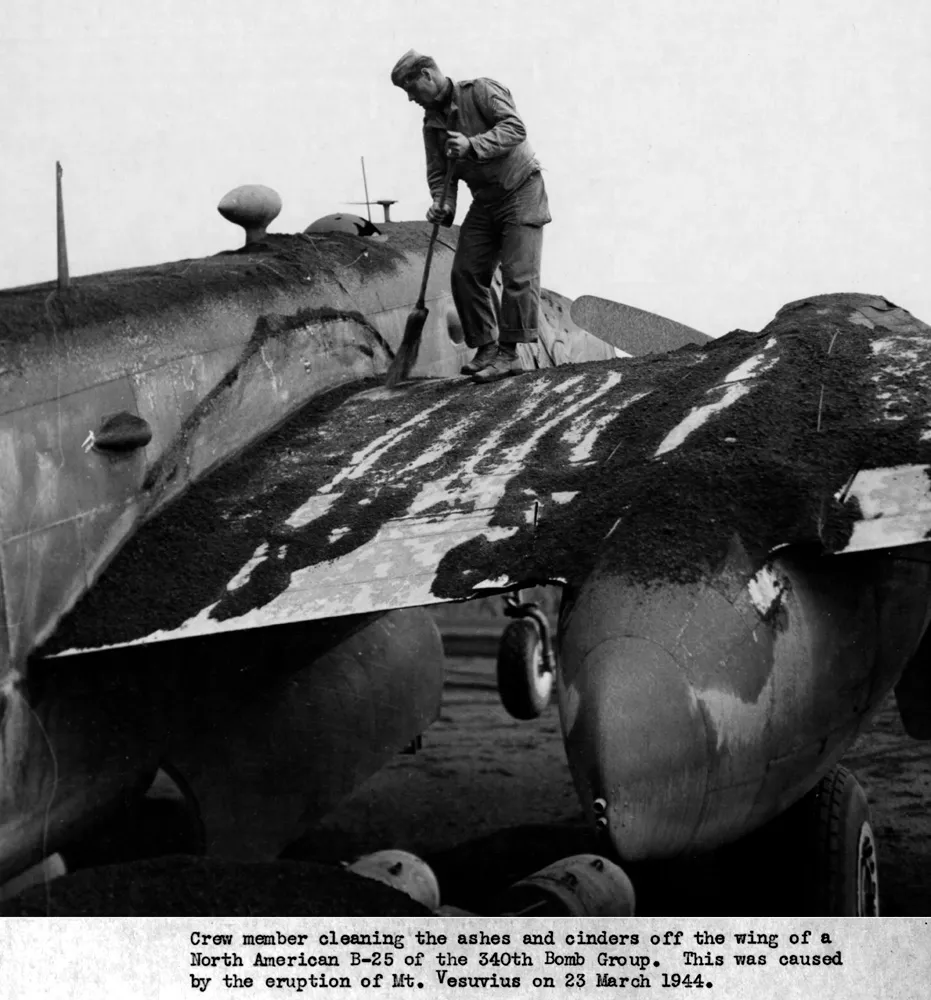
Joseph Heller flew sixty missions as a bombardier in a B-25 out of Corsica in 1944. He came home, studied on the GI Bill, wrote advertising copy for magazines, and spent eight years on a novel about an airman named Yossarian who wants to stop flying. The catch is explained in chapter five. A flier can be grounded if he is insane. He only has to ask. But asking to be grounded to avoid combat is the act of a rational man, so he is sane, so he flies.
“That’s some catch, that Catch-22,” he observed.
“It’s the best there is,” Doc Daneeka agreed.
The book came out in 1961, sold slowly in hardback, then caught fire in paperback as the Vietnam War made its logic feel like reporting. A film followed in 1970 and a miniseries in 2019. Within a decade the phrase had escaped the book and was being used for any rule that eats its own exit. It belongs to a small club of titles, with Utopia and Lolita, that became ordinary words.
The gap
The number is arbitrary. For most of its drafting the book was Catch-18; the first chapter was published under that name in 1955. Then, months before publication, Leon Uris announced a novel called Mila 18, and Heller’s editor Robert Gottlieb refused to share a number with a bestseller.
- Catch-18taken by Mila 18, Leon Uris, 1961
- Catch-11too close to Ocean's Eleven
- Catch-17too close to Stalag 17
- Catch-14not a funny number, said Gottlieb
- Catch-22two elevens. Things happen twice
They settled on 22 because it was two elevens and the book is full of things happening twice.
So the word that means an inescapable trap got its number by dodging a scheduling clash. There is nothing in 22. It could have been 18, and for six years it was.